Serena ZhangCase study 03 / 03
Case study · Tencent Video · Membership

One membership, a whole family

I designed and led China's first family account system built for elders and kids. Adult children invite their parents and children, pay for them, and look after them, turning account sharing into a product people pay for.

Product strategyAccount systemPricingInteraction design
My design scopeProduct logicUI / UXDataMonetization
Role
Product lead, end-to-end design
Partner
Membership team
Users
Payers, elders, kids
Scope
Logic, pricing, interaction design
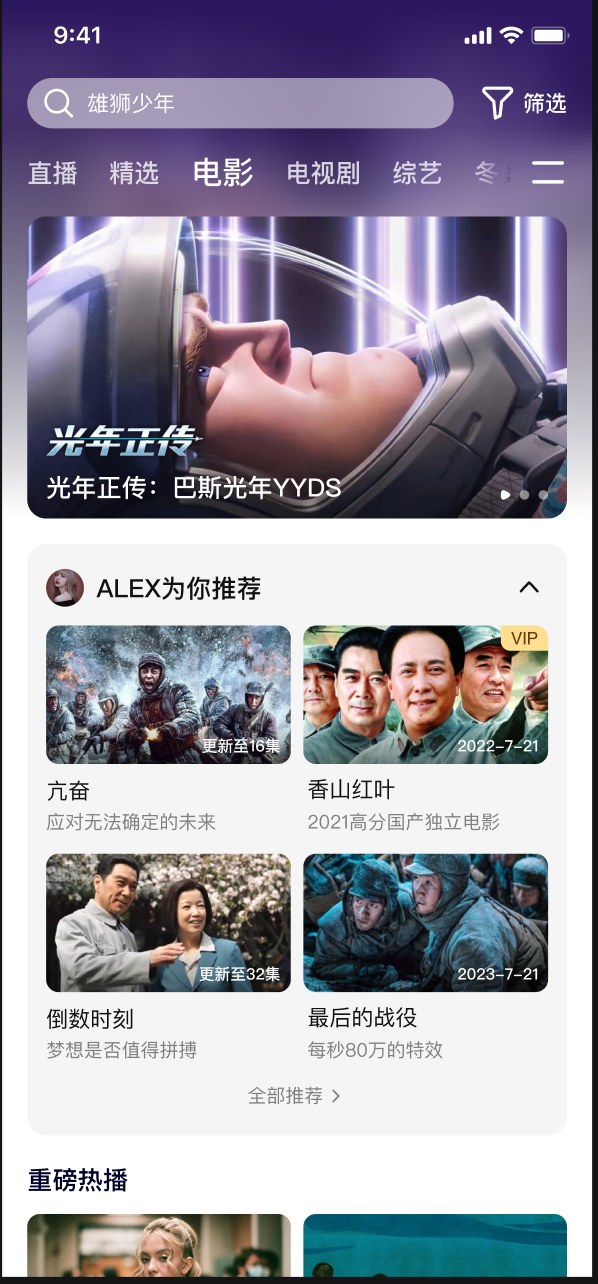
Home feed with a 'Recommended by ALEX' section from a family member
My Family page: the owner's profile, one member card with a Manage button and an invite slot
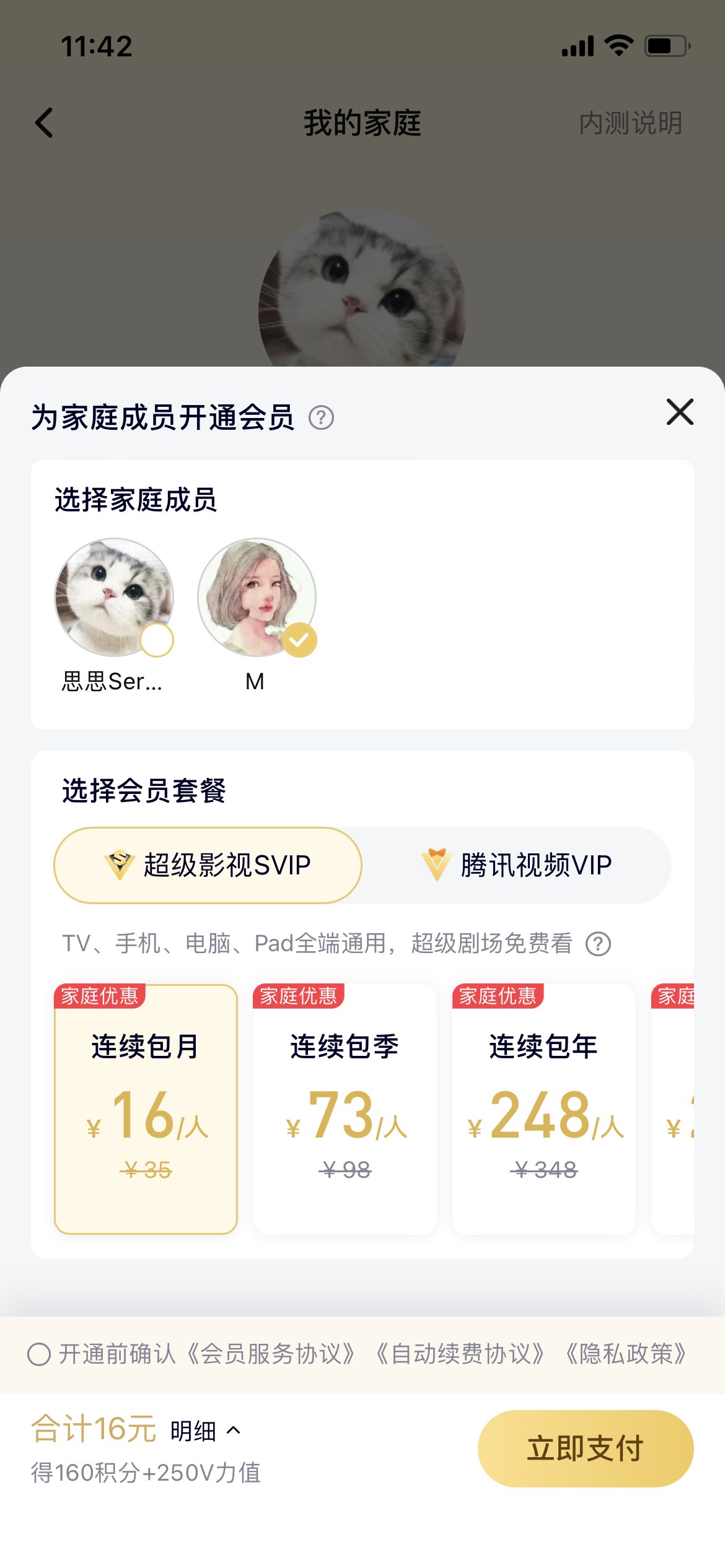
Pay for a family member sheet: pick a member, pick SVIP or VIP, family-only prices
Invite → Bind → Pay Family-only discount
321,577daily active users within 6 months of launch
¥35,102family recharge in a single day
4.16Mfamilies created
Firstfamily account system in China built for elders and kids

Figures from the 6 months after launch. Grey-launch revenue data is in Results below.

The whole picture

Not a feature. A system.

A family account touches login, payments, risk and three very different users at once. I planned it as one system, then shipped it in layers.

01Account model: who owns what, and how people join
02Business loop: why a family pays more, not less
03Risk rules: stop carpooling and discount abuse
04Experiences: elders, kids and the connection between them
Phase 1 · shippedPhase 2 · designedLayer
01 · Problem

One login, a whole family behind it

Memberships are sold to one person. But people watch as families: adult children pay for parents, parents choose cartoons for kids, everyone shares one password.

Three roles, one tangle

They care for each other, and get in each other's way

Every side of the triangle carries both. The adult child wants to look after everyone, but can't be there. The elder wants company without being a burden. The kid just wants to keep watching. The family account had to keep the care and take the friction out.

Care · bondTensionThe family account connects all three
Family Account turns the ties into one product PAdult childthe payer EElder60+ KKidunder 12 CAREBuys VIP, sends showsTENSIONCan’t log in alone CAREPicks good showsTENSIONLimits without nagging CAREGrandparents babysit, watch togetherTENSIONThey can’t stop the screen time
P

The payer

Adult child / parent

Wants to buy for family but can only lend their account. History gets mixed, recommendations skew, renewals are forgotten.

Business impactWillingness to pay, with nothing to buy

E

The elder

60+

No account, or can't log in. When the 30-day session expires, the shows are gone. Search is hard with voice and pinyin.

Business impactQuiet, low-activity, easy to lose

K

The kid

Under 12

Watches for hours when parents are out, with no control over what plays next. Parents don't want to be the one who says stop.

Business impactParents don't trust the platform

≥1,000 orders · ¥20k / day

Phase 1 goal agreed with the membership team: close the loop of create family → invite → pay, without cannibalizing individual memberships, compromising security, or asking elders and kids to learn anything new.

02 · Insights

Three people, three needs

From senior-user research, kids' audience insights, parent interviews and grey-launch data.

01 · ELDERS

Want company, fear being a burden

A shrinking social circle makes online products a source of company. Ease beats efficiency: most scroll the home feed rather than search.

"Retirement deflated me. I'm afraid of being left behind, so I keep learning new tech."BEIJING · 60 · FEMALE

02 · PARENTS

Want control, not the bad-guy role

53%of 30 parents found it attractive
5 pts 33%4 pts 20%3 pts 23%1–2 pts 24%

"I don't want to be the bad guy. Let the platform say they've watched enough."JIANGMEN · PARENT OF A 9-YEAR-OLD

03 · DATA

Family is a reason to pay

36%of 190k families had a member join

The "pay for family" entry drew 5,690 UV and ¥6,700 GMV a day in grey launch, with no negative feedback. People will pay once more for someone they love.

The payer drivesThe people being cared for should never have to set anything up.
Separate, but visibleEach person keeps their own history and assets; the relationship stays in view.
The platform says noLimits come from the product, so parents don't have to be the bad guy.
03 · Key decisions

Four decisions, each guarding a business risk

01
Account model

Bind accounts, don't switch profiles

We designed two directions side by side: Netflix-style profiles inside one account, or a main account that invites and binds others. Phase 1 chose binding.

  • No learning cost: existing WeChat and QQ login and sharing.
  • Clean data: each person's history and recommendations stay their own.
  • Protects revenue: every member still holds a real membership.
Direction 1 vs Direction 2 · my interaction studyClick to zoom
02
Business loop

Pay for family, with family-only prices

With the membership team I designed discounts that only work when buying for a family member: VIP monthly at 52% off, SVIP at 54% off, once per member per plan.

After launch, we moved the discount weight toward quarterly, annual and SVIP plans. That one change lifted order value about 2.6×.

I also scoped a standalone family SKU, FVIP: one purchase, 2 to 4 seats, mixed tiers.

Pay for family sheet with family-only prices: 16, 73 and 248 yuan
FVIP · new family SKU
HVIPSVIPFVIP
Main account buysPicks 2 / 3 / 4 seats and SVIP or HVIP
↓
Seats assignedEach family member gets one
SVIP 1SVIP 2HVIP 3HVIP 4
03
Risk rules

Friction where it protects the product

Family discounts are an invitation to "carpool" strangers. A few limits keep the family a family, while normal users never notice them.

4membersMaximum family size
1×/ yearThe main account can dissolve the family
1×/ yearA member can leave
ApproveNew-device logins for no-account members ask the main account first
04
Roadmap

Close the loop first, then layer by audience

Phase 1 did five things and proved families would pay. That data earned Phase 2, which splits into four lines, one for each unmet need.

Phase 1MVP · shipped
Create family
Invite
Pay for family
Recommend
Status
↓ data earns the next phase
Phase 2designed
No-account profilesShared seats, link or passcode login, sessions 3–6 months
Elder-friendly"Send to Mom" from any title, family picks pinned on home
ConnectionOnline now, watching now, watch together, shared clips
Parental controlTime windows and limits, age rating, blocking, eye care
04 · Interaction design

Every state, from both sides of the invite

I led the interaction framework for every key flow, mapping each screen from the main account's view and the joiner's view. Click any board to see it at full size.

A

Phase 1: bind first, buy later

Buying and binding started as one step, so parents had to pay before deciding who for. I split them: build the relationship first, then suggest "Not a member yet · get it for them" right on the member card.

01Invite via WeChat, QQ or link02Member card with pay prompt035 joiner states, incl. expired invite04Watch time and history for the payer
B

No account? Three ways in

For elders and kids without accounts: log in with the main account and pick a profile, open an invite link, or type a temporary passcode. Repeat logins ask the main account to approve.

C

FVIP: one purchase, a seat for everyone

Where the family SKU lives: a buy entry in the membership center, two layouts for the post-purchase profile, and a seat and device manager.

D

One page for care and control

The member page carries both connection and parental control. Empty, kid and elder states share one framework, which kept build cost low.
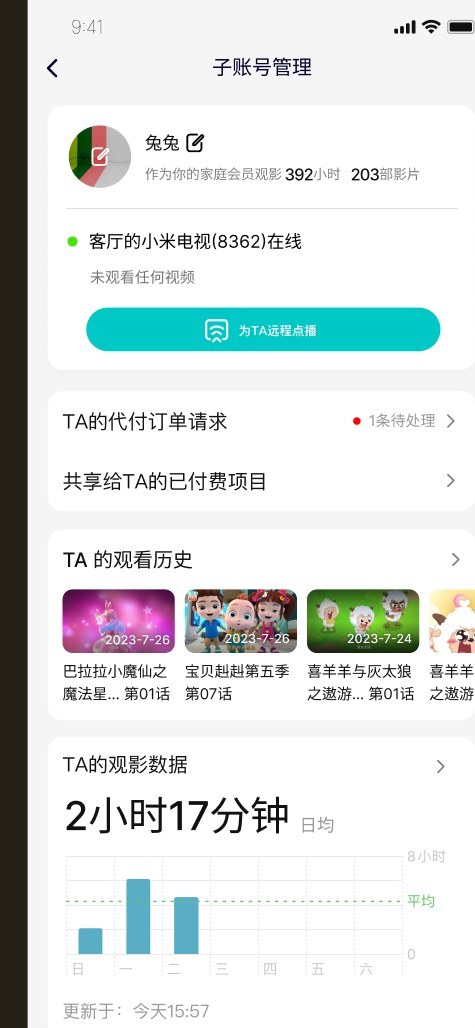
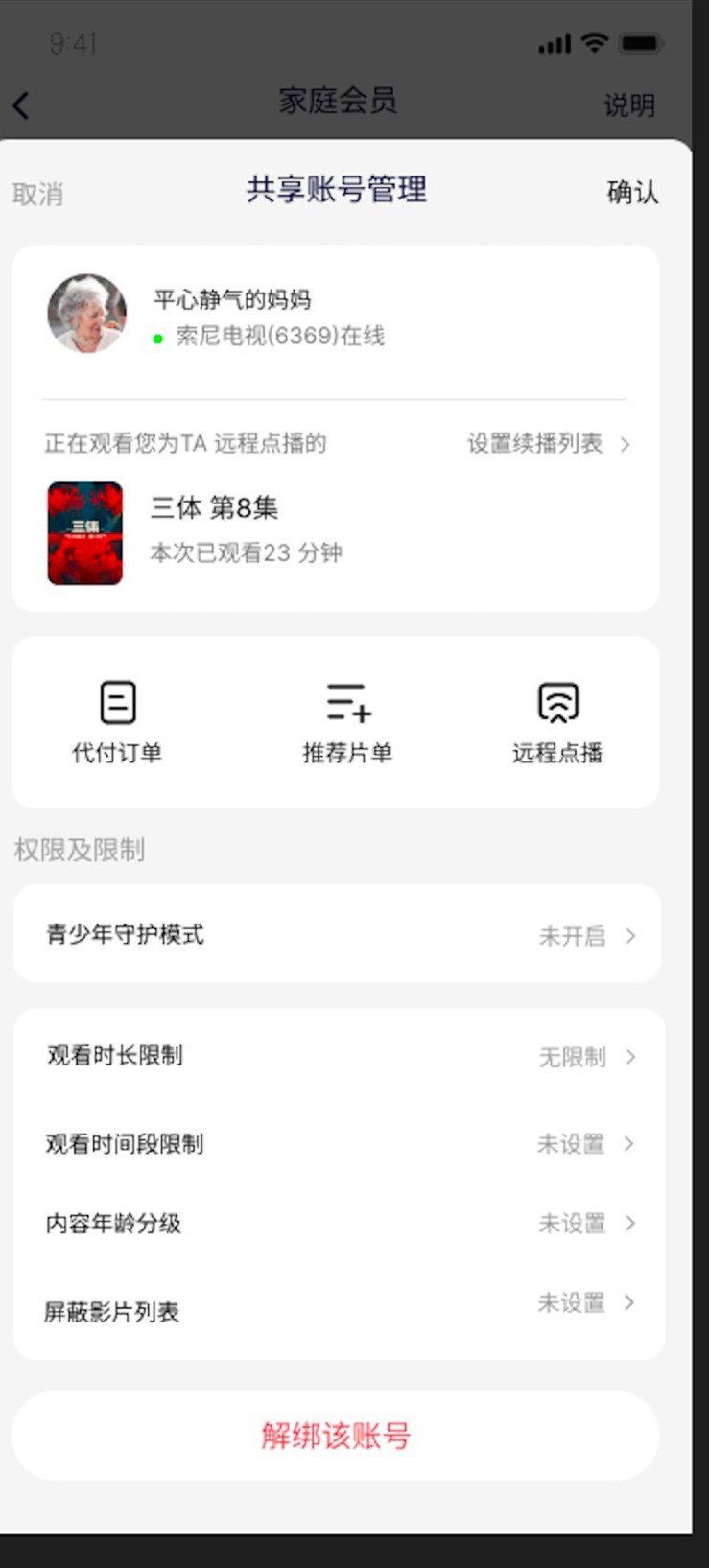
Kid profile: online on the living-room TV, remote play button, pending pay request, history and daily watch time
Kid, configuredOnline device, remote play, watch time, then limits
Shared account management for Mom: now watching an episode played remotely, plus limits
Elder, now watchingSee what Mom is watching; queue the next episode
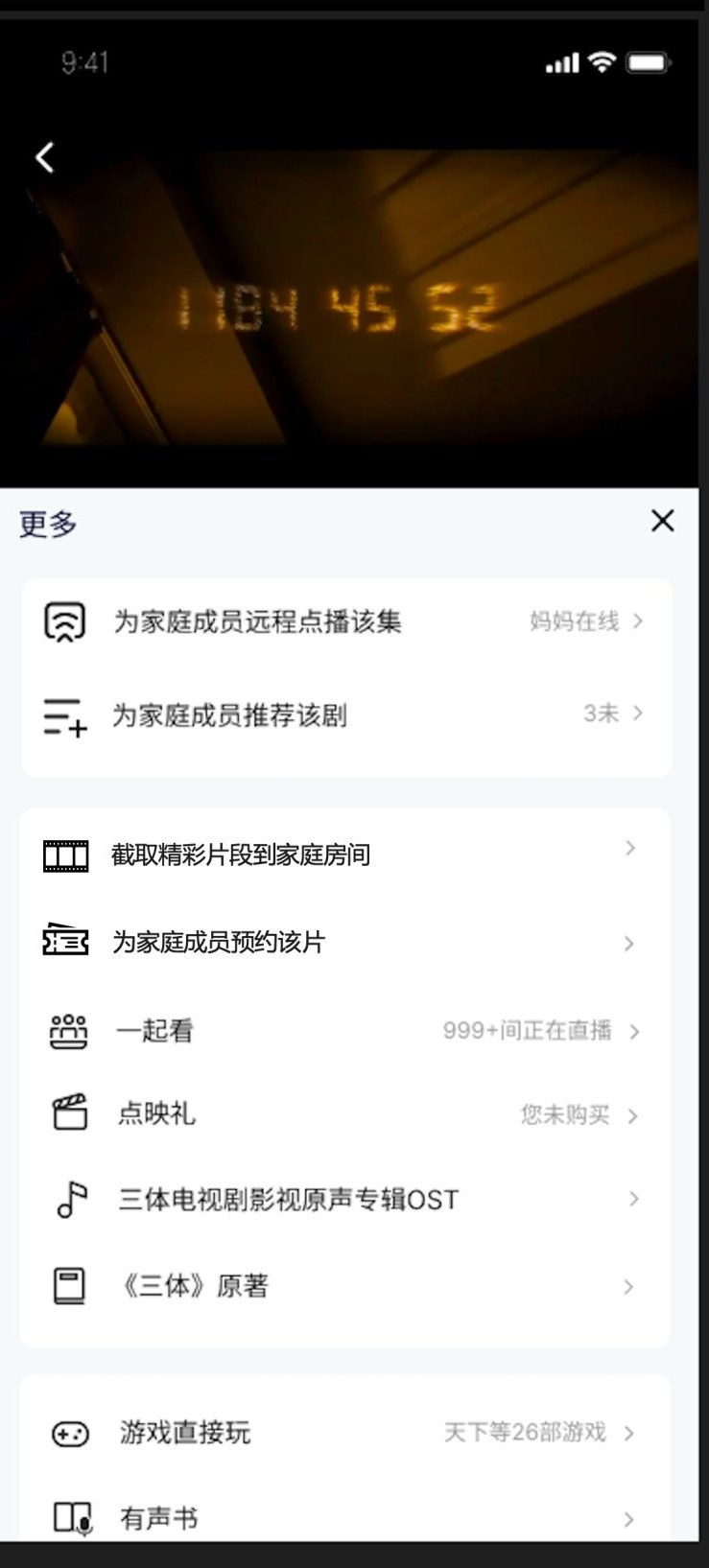
Player More menu: play this for a family member, recommend it, share a clip to the family room
From any titlePlay for family, recommend, share a clip
Family member page: not a member yet, get it for them; recommended list
Member card"Not a member yet" turns care into a purchase

When the time limit is reached, the player says it, not the parent, with an option to finish the current episode first so kids aren't cut off mid-show.

05 · Results

From an emotional need to new revenue

Grey launch proved families would pay. Once discounts shifted toward long-term and SVIP plans, daily revenue cleared the Phase 1 goal within days.

Daily family-membership GMV passed the ¥20k goal 3.5× over

Source: family account activation report, 2023-12-01 to 2024-01-08 · total GMV of memberships opened for family.
2.6×order value after tilting discounts to quarterly, annual and SVIP
1,284orders on the peak day, past the 1,000 goal
1,138UV a day using "recommend to family"
0negative user feedback
Payers buy one more membershiprevenue+Elders and kids become activesDAU+Family ties raise switching costretention
06 · Reflection

What I'd carry forward

Close the loop, then layer

Phase 1 only had to prove that family ties lead to payment. That proof bought the resources for Phase 2.

Pricing is product design

The discount structure, not a new screen, was the turning point in the revenue curve.

Fix the biggest drop-off sooner

Only 36% of families got a member to join. No-account profiles answer that directly and should have shipped earlier. The parent study (N=30) still needs a larger sample.

In a family product, the user isn't a person but a relationship. The one who pays, the one who watches and the one being protected each need their own design.